I offer procedures including facet joint injections, epidural injections, nerve root blocks, joint injections, nerve blocks to shoulder, hip and knee joints.
Consultant in Pain Medicine & Anaesthesia – York, North Yorkshire, UK 12+ Years’ Experience in Chronic Pain Management
Leading Pain Specialist in York, North Yorkshire
Dr Karthikeyan Dhandapani is a UK-trained Consultant in Pain Medicine and Anaesthesia based in York, North Yorkshire, specialising in the diagnosis and treatment of chronic pain conditions including back pain, sciatica, joint pain and neuropathic pain.
With over 12 years of consultant experience in the UK, he provides expert, evidence-based care using a combination of interventional procedures, medical management and holistic pain strategies.
Patients searching for a pain specialist in York, UK or surrounding areas including Harrogate, Leeds and North Yorkshire are frequently referred to Dr Dhandapani for his structured and patient-centred approach.
When Should You See a Pain Specialist in York, UK?
You should consider seeing Dr Dhandapani if you have:
• Pain lasting more than 3 months
• Persistent back pain or sciatica
• Joint pain affecting mobility
• Nerve-related pain
• Post-surgical pain
• Pain not responding to physiotherapy or medication
Early specialist input can significantly improve long-term outcomes.
Dr Dhandapani’s Approach to Pain Management
Dr Dhandapani adopts a biopsychosocial approach, recognising that pain is influenced by:
• Biological factors
• Psychological wellbeing
• Emotional health
• Social context
His goal is to improve:
• Pain control
• Mobility
• Function
• Overall quality of life
Personalised Pain Treatment Plans
Each patient receives an individualised treatment plan, which may include:
Medical Management
• Evidence-based prescribing
• Safe, targeted use of medications
• Their diagnosis
• Treatment options
• Expected outcomes
This collaborative approach supports better engagement and recovery.
Professional Qualifications
MBBS, DA, FRCA, FCARCSI, FFPMRCA, MSc (Pain Management)
Special Interest
I specialise in managing chronic pain conditions including back pains, sciatica, neck pains, fibromyalgia, post surgical pains, chronic regional pain syndrome, migraine, neuropathic pains hip, knee and shoulder joint pains
Professional body registration with number (eg. GMC/GDC)
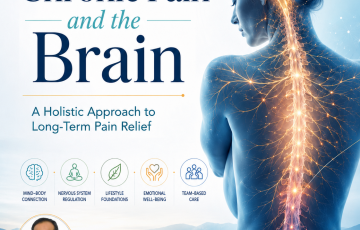
Chronic Pain and the Brain: A Holistic Approach to Long-Term Pain Relief
08 May 2026
Chronic Pain and the Brain: Why a Holistic Approach Can Help Long-Term Pain Relief
Chronic pain is influenced by the body, nervous system and brain. Learn how holistic pain management, nerve blocks, physiotherapy and pain reprocessing therapy may help.
Chron ...
Epidural Injections and Nerve Blocks in York, UK: Are They Effective for Pain Relief?
18 Mar 2026
Epidural Injections and Nerve Blocks in York, UK: Are They Effective for Pain Relief?
By
Consultant in Pain Medicine & Anaesthesia – York, UK
Introduction
For patients living with chronic pain, particularly back pain and sciatica, interventional pro ...
The meeting was to discuss and help me understand the results of my recent MRI Scan . My daughter Caron was with me at the meeting, and after we were on our way home we both agreed on our first impressions ,of what a very nice chap Dr Dhandapani was, and how he had made us feel comfortable whilst explaining the findings.. Short conclusion ...a Man with a very good outlook on life, and the work that he does, and a great capacity for sharing it.
He treats back pain, neck pain, joint pain (hips and knees), sciatica, widespread pain, neuropathic pain, and post-surgical pain including scar-related pain.
✔ Over 12 years’ consultant-level experience
✔ UK specialist training in Pain Medicine
✔ Holistic biopsychosocial philosophy
✔ Clear communication and patient education
✔ Evidence-based interventional expertise
✔ Individualised, multidisciplinary care
Chronic pain is pain that lasts longer than expected and continues beyond the usual healing period. It may affect the back, neck, joints, nerves or muscles.
Chronic pain is not just a physical sensation; it is also influenced by the brain, nervous system, emotions, previous experiences, stress and overall wellbeing.
No. Chronic pain is real. However, the brain plays an important role in how pain is processed and experienced. Pain is created when the brain interprets signals from the body and nervous system. In chronic pain, the nervous system can become over-protective and continue to amplify pain signals even after tissues have healed.
The brain processes pain signals from the body and nervous system. This processing can be influenced by previous pain experiences, trauma, fear, anxiety, stress, emotional wellbeing and social factors. When the brain perceives threat or danger, it can increase the intensity of pain or keep pain going for longer.
Pain can continue after healing because the nervous system may remain sensitised. This means the brain and nerves continue to interpret normal signals as painful or threatening. This process can maintain chronic pain even when the original tissue injury has improved.
Scans and investigations can show structural problems, inflammation or injury, but they do not always explain how pain is being processed by the nervous system and brain.
A person may have severe pain even when scans appear normal, because chronic pain is influenced by both physical and neurological factors.
Nerve blocks and steroid injections can reduce pain and inflammation, but their effect is often temporary. According to the attached document, the benefit typically lasts around 8–12 weeks on average. If the brain and nervous system continue to maintain pain signals, symptoms may return once the physical effect of the treatment wears off.
Holistic chronic pain management is an approach that treats the whole person rather than only the painful body part. It considers the body, brain, nervous system, emotions, movement, sleep and daily life. Treatment may include medication, nerve blocks, physiotherapy, guided exercise and Pain Reprocessing Therapy.
Holistic pain management can help by addressing both the physical source of pain and the way the brain processes pain signals. By calming the nervous system and changing how the brain interprets pain, patients may achieve longer-term improvement rather than only short-term symptom relief.
A holistic chronic pain treatment plan may include medications when appropriate, targeted interventions such as nerve blocks, physiotherapy, guided exercise and Pain Reprocessing Therapy. The aim is to reduce pain, improve function and help patients better understand and manage their symptoms.
Pain Reprocessing Therapy is an approach that helps retrain the brain’s response to pain. It aims to reduce fear, calm the nervous system and change how the brain interprets pain signals. It may be used as part of a broader holistic chronic pain management plan
Yes. According to the attached document, Pain Reprocessing Therapy sessions can be provided online, making treatment more accessible for suitable patients.
Physiotherapy can be an important part of chronic pain management. Guided exercise and movement can help improve strength, confidence and function. In a holistic approach, physiotherapy is often combined with medical care and strategies that address how the nervous system processes pain.
Chronic pain often has physical, emotional and neurological contributors. A multidisciplinary approach may involve a pain physician, physiotherapist and psychologist. This team-based care can help address the different factors that maintain pain and support longer-term management.
You may benefit from seeing a pain specialist if your pain has lasted longer than expected, treatments have only helped temporarily, investigations do not fully explain your pain, or pain is affecting your mood, sleep or daily life.
A holistic pain specialist assesses both the physical symptoms and the role of the nervous system in maintaining pain. They may recommend a personalised plan that includes interventional treatments, physiotherapy guidance, medication where appropriate and pain reprocessing techniques.
Yes. Chronic pain can become more manageable with the right support. A holistic approach may help reduce the dominance of pain in daily life by addressing both the body and the brain’s processing of pain signals.
Patients looking for chronic pain support in York may consider seeing Dr Karthikeyan Dhandapani, a pain specialist who offers comprehensive assessment and individualised holistic management plans. His approach may include interventional treatments such as nerve blocks, physiotherapy guidance and pain reprocessing techniques.
Personalised healthcare just a click away
Find and connect with the right specialist doctors.
Your appointment details have been forwarded to the doctor via email. You will receive a confirmation from them shortly. Thank you for choosing us for your healthcare needs.
We use cookies to give you the best possible experience on our website. By continuing to browse this site, you give consent for cookies to be used.
For more details please read our Cookie Policy
Manage Cookie Preferences
Strictly Necessary Cookies
These cookies are required for the website to work and cannot be switched off.
Analytical/ performance cookies
These cookies help us understand how visitors use our website by collecting anonymous information. They allow us to improve performance, identify issues, and enhance the overall user experience.
Functionality cookies
These cookies remember your preferences and settings, such as language or region, to provide a more personalised experience when you return to the website.
Targeting cookies
These cookies are used to deliver more relevant content and advertisements based on your browsing activity. They may also be used by trusted third-party partners to measure the effectiveness of advertising campaigns.