Medical Director in Primary Care, The Medical Travel Company (TMTC). Private and NHS General Practitioner | Primary Care Leader | Clinical Governance Adviser | GP Mentor
Dr Sukhdev Singh is an experienced General Practitioner and healthcare leader with more than 35 years’ experience across clinical practice, NHS leadership, primary care development, medical education and clinical governance.
Born and brought up in Edgbaston, Birmingham, Dr Singh studied medicine at the University of Dundee, graduating in 1984. He returned to Birmingham to begin his medical career at Selly Oak Hospital before specialising in general practice. He went on to serve as a GP Partner at Bellevue Medical Centre in Edgbaston for over three decades, including as Executive Partner from 2015 until his retirement from full-time NHS clinical practice in 2019.
Dr Singh has held several senior leadership roles across primary care, commissioning and healthcare management. These include Chair of the Professional Executive Committee at NHS South Birmingham, Chair of Modality Partnership, NHS Clinical Manager in South Birmingham, Primary Care Adviser and Medical Registrar at Priory Hospitals Group, and adviser to GP partnerships on organisational development and governance.
As Medical Director in Primary Care at The Medical Travel Company, Dr Singh supports the development of safe, ethical and clinically governed pathways for patients considering medical treatment abroad. His role brings together his experience in NHS primary care, patient safety, governance, culturally competent care and patient advocacy. He is particularly focused on helping bridge the gap between UK-based patients, referring clinicians and trusted international healthcare providers.
Dr Singh’s clinical interests include heart disease, diabetes and mental health, with a particular focus on depression. He has also contributed extensively to medical education as a GP trainer, mentor for medical students and trainee GPs, lecturer to general practitioners, and mentor and coach to GPs and wider healthcare professionals.
Beyond his clinical and leadership work, Dr Singh has made a significant contribution to community health. He is Founder and Chairman of the Sikh Doctors Association, a Public Governor at University Hospitals Birmingham and a member of the Birmingham Interfaith Forum. He is passionate about equality, human rights, community resilience and culturally sensitive healthcare.
Education and Qualifications
MBChB
University of Dundee, Scotland
MRCGP
Member of the Royal College of General Practitioners
Areas of Expertise
General practice
Primary care leadership
Clinical governance
Patient safety
Heart disease
Diabetes
Mental health and depression
NHS commissioning
Medical education and mentoring
Culturally competent care
Community health and resilience
Professional Memberships and Roles
Member, Royal College of General Practitioners
Medical Director in Primary Care, The Medical Travel Company
Public Governor, University Hospitals Birmingham
Founder and Chairman, Sikh Doctors Association
Member, Birmingham Interfaith Forum
Professional Qualifications
MBChB, University of Dundee, Scotland
MRCGP
Special Interest
Heart disease
Diabetes
Mental health (with a focus on depression)
Professional body registration with number (eg. GMC/GDC)
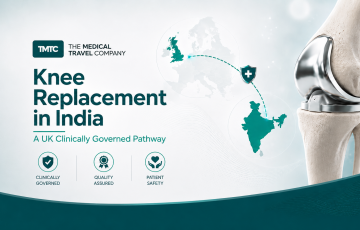
Knee Replacement in India: Demystifying Medical Travel Through a UK Clinically Governed Pathway
18 May 2026
Knee Replacement in India: Demystifying Medical Travel Through a UK Clinically Governed Pathway
For patients living with severe knee arthritis, the impact is rarely limited to the knee.
Pain affects sleep. Mobility reduces. Confidence falls. Work, independence, ex ...
Many patients consider medical travel when they are facing long waits, high private costs, ongoing pain, reduced mobility or difficulty returning to work and normal life.
TMTC positions itself around access to world-class healthcare in India, with support from consultation through treatment, recovery and return home.
The decision should always be made carefully, with full information about the surgeon, hospital, implant choice, rehabilitation plan, travel timing, risks, costs and aftercare.
All surgery carries risk, whether it is carried out in the UK or overseas.
Travelling abroad adds additional considerations, including the standards of the hospital, surgeon credentials, infection control, travel after surgery, continuity of care and what happens if complications arise. The NHS advises patients considering overseas treatment to understand how the process works, discuss plans with a GP before making final decisions, and make sure they have enough information to make an informed choice.
Care at TMTC is positioned as a structured, clinically governed patient centric pathway, not a “cheap surgery holiday”.
The emphasis should be on careful selection, proper clinical assessment, named specialists, hospital due diligence, recovery planning and appropriate follow-up.
Traditional medical tourism can feel fragmented: patients may book directly with a hospital abroad, arrange flights separately, and return home without a clear aftercare plan.
TMTC’s model is stronger because it is an end-to-end care pathway: initial consultation, clinical assessment, treatment planning, travel support, hospital treatment in India, recovery support and UK follow-up.
This is the key distinction: Clinically supported medical travel.
India is home to internationally recognised private hospitals, experienced surgeons and advanced medical facilities, particularly in areas such as orthopaedics, cardiac care, fertility treatment, dentistry and diagnostics.
For UK patients, the main attractions are affordability, faster access and significantly reduced waiting times. However, the decision should never be based on cost alone.
The key reassurance is that patients choosing TMTC are not simply choosing “cheaper treatment abroad”. They are choosing a structured route to high-quality care in India, with transparency, clinical guidance and support throughout the journey from initial consultation to treatment, recovery and return home.
India has many highly experienced surgeons working in advanced private hospitals, often with very high surgical volumes. In TMTC’s case, most of the surgeons have also trained in the UK, worked in UK hospitals and understand NHS-style standards of care.
That matters because UK patients and referrers want reassurance around clinical judgement, consent, communication, documentation, rehabilitation and follow-up.
The question is not simply, “Is India good for healthcare?”
The better question is:
“Am I being treated by the right surgeon, in the right hospital, through the right pathway?”
TMTC’s role is to make that pathway clearer and safer.
UK training and NHS experience provide reassurance because they create a bridge between UK patients and the Indian healthcare system.
Surgeons who have trained or worked in the UK are more likely to understand UK patient expectations, consent standards, clinical decision-making, multidisciplinary care and the importance of clear documentation.
This is one of TMTC’s strongest differentiators: high-quality care in India, supported by UK-informed clinical standards and communication.
It is an option for patients who are facing long waits, reduced mobility, ongoing pain or high UK private costs, and who want to explore a supported alternative.
For some patients, waiting may be appropriate. For others, especially where quality of life is deteriorating, a properly governed medical travel pathway may be worth considering.
It is understandable for GPs and physiotherapists to be cautious about medical tourism, particularly where treatment is poorly coordinated, price-led or lacks clear aftercare.
However, TMTC should not be viewed as ordinary medical tourism. Its value lies in offering a more structured, clinically informed UK-to-India pathway, with named clinicians, hospital due diligence, recovery support, clear documentation and UK-facing communication.
For referrers, the key question is not simply:
“Am I referring a patient abroad?”
The more important question is:
“Is this patient being supported through a safe, transparent and clinically governed pathway?”
No. The treating surgeon and medical travel provider should be responsible for assessing suitability, obtaining informed consent and delivering the overseas treatment pathway.
The GP’s role is usually to support the patient with general medical advice, provide relevant medical history where appropriate, and help the patient think through risks and alternatives.
Infection and complications are recognised risks with any surgery.
TMTC helps reduce these risks through careful patient selection, experienced surgeons, established private hospitals, infection control standards, structured recovery support and clear aftercare planning.
For orthopaedic patients, this includes attention to implant traceability, wound monitoring, blood clot prevention, early mobilisation, physiotherapy and safe timing of return travel.
Patients are also given clear discharge information, medication guidance, red-flag advice and contact details if concerns arise after treatment.
The reassurance comes from a transparent, clinically supported pathway before, during and after surgery.
Yes. TMTC provides one-year post-surgery insurance after patients return to the UK, giving patients added reassurance during the recovery period.
This helps ensure that if post-operative concerns or complications arise, patients have a clear support route rather than relying solely on the NHS. It also gives GPs, physiotherapists and referrers confidence that patients are not simply sent abroad for surgery and then left without structured support.
The aim is to provide safer continuity of care, protect patients after they return home, and reduce avoidable burden on NHS services where appropriate.
Personalised healthcare just a click away
Find and connect with the right specialist doctors.
Your appointment details have been forwarded to the doctor via email. You will receive a confirmation from them shortly. Thank you for choosing us for your healthcare needs.
We use cookies to give you the best possible experience on our website. By continuing to browse this site, you give consent for cookies to be used.
For more details please read our Cookie Policy
Manage Cookie Preferences
Strictly Necessary Cookies
These cookies are required for the website to work and cannot be switched off.
Analytical/ performance cookies
These cookies help us understand how visitors use our website by collecting anonymous information. They allow us to improve performance, identify issues, and enhance the overall user experience.
Functionality cookies
These cookies remember your preferences and settings, such as language or region, to provide a more personalised experience when you return to the website.
Targeting cookies
These cookies are used to deliver more relevant content and advertisements based on your browsing activity. They may also be used by trusted third-party partners to measure the effectiveness of advertising campaigns.